6 min read
Five Ways to Improve Indoor Air Quality in Your Evansville Home
Between the humidity that settles over the Ohio River valley in summer and the cold snaps that keep windows shut all winter, homes in Evansville and across the tri state area spend most of the year sealed up. That is good for your energy bill. It is less good for the air inside, which just keeps recirculating through the same system, picking up dust, pet dander, pollen and cooking odors along the way.
Most people notice the symptoms before they think about the cause. Dust settles on furniture two days after cleaning. Someone in the house wakes up congested every morning. A musty smell shows up when the heat kicks on for the first time in the fall. None of these are dramatic problems, and all of them are fixable.
Here are the five changes that make the biggest difference, roughly in order of how much work they take.
Change your filter more often than you think you need to
This is the cheapest thing on the list and the one most people get wrong.
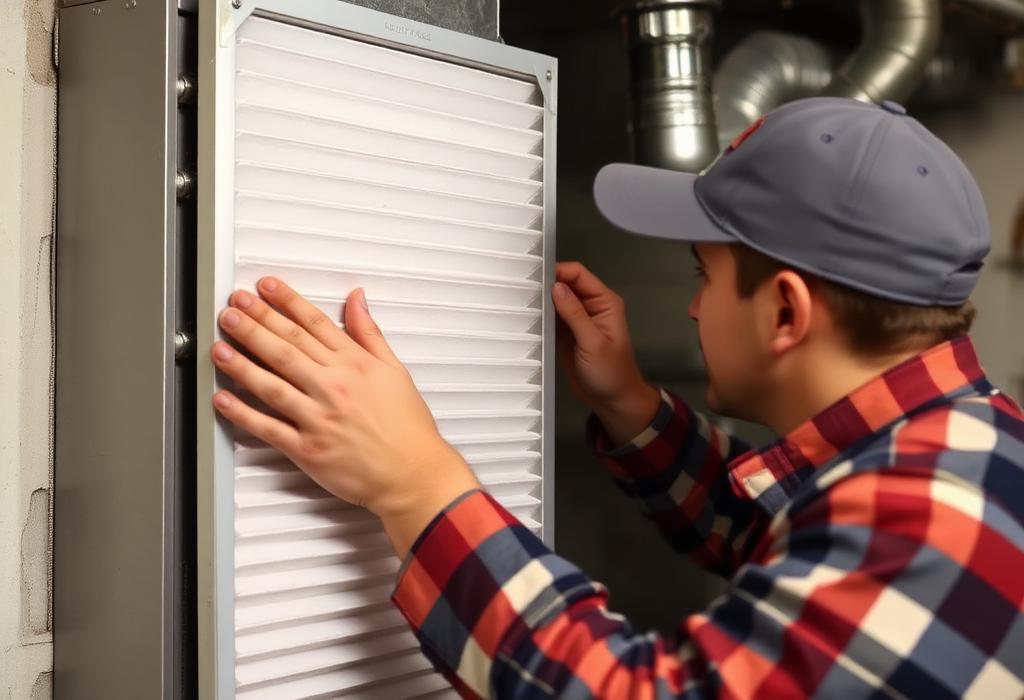
A one inch filter in a typical Evansville home needs changing every 60 to 90 days. If you have pets, drop that to every 30 to 60 days. If someone in the house has allergies, err toward the shorter end. Thicker media filters, the four and five inch kind that sit in a dedicated cabinet, can go six months to a year, but check them anyway.
The rating matters too. Filters are rated by MERV number. A MERV 8 catches ordinary dust and lint. A MERV 11 or 13 catches finer particles like pollen, mold spores and pet dander. Higher is not automatically better, though. A filter that is too restrictive for your blower makes the system work harder and can actually reduce airflow. If you are unsure what your system handles, ask before you upgrade.
One habit that helps: write the install date on the edge of the filter in marker. It removes the guesswork entirely.
Control humidity, because Indiana summers do not
Indoor humidity above 60 percent gives mold and dust mites what they need to thrive. Below 30 percent, and you get dry sinuses, static and cracking woodwork. The comfortable and healthy range sits between 35 and 50 percent.
A cheap hygrometer from any hardware store tells you where you stand. If summer readings run high, your air conditioner may be oversized and short cycling, which cools the house fast without running long enough to pull moisture out of the air. A dehumidifier in the basement handles the worst of it in most homes. In winter, if readings run low, a whole home humidifier tied into your system is more effective and far less hassle than portable units you have to refill.
Basements and crawl spaces deserve particular attention here. Moisture down there does not stay down there. It moves up through the house.
Deal with the source, not just the air
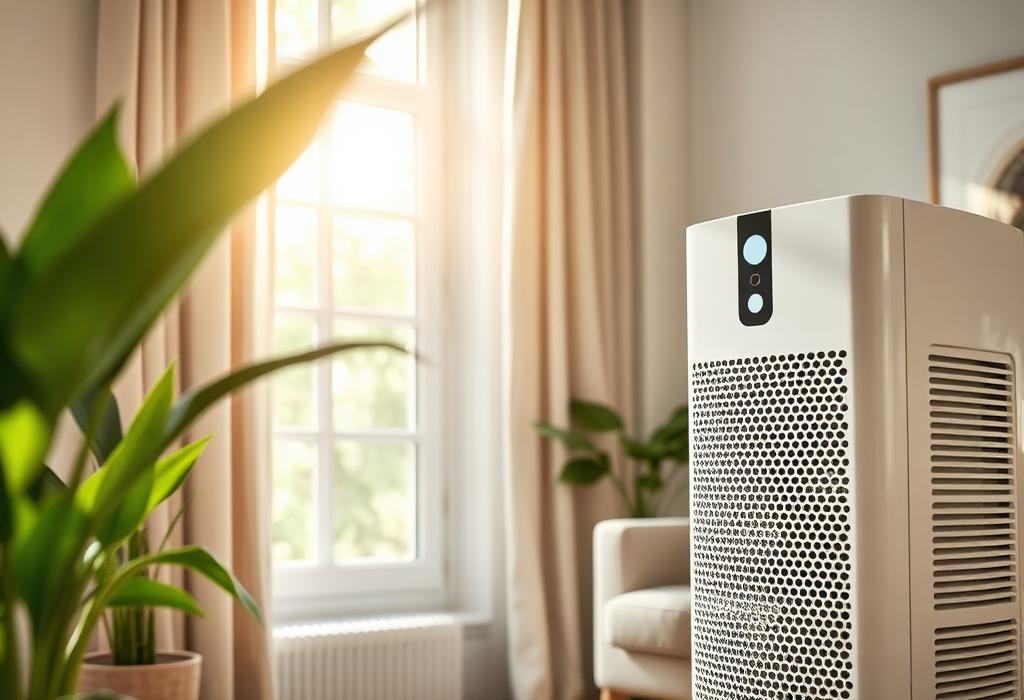
Air purifiers get a lot of attention, and they do help. But they are catching problems rather than preventing them.
Look at what is actually generating particles and odors. Shoes tracking in pollen and lawn chemicals. A gas range with no working exhaust hood. Bathrooms without vent fans, or with fans that vent into the attic instead of outside. Carpet that has been holding twenty years of everything. A dryer vent packed with lint, which is both an air quality issue and a genuine fire risk.
Fixing the source is usually a one time job. Running a purifier is forever.
Clean the ductwork if it has been a while
Every particle your system pulls in has to go somewhere, and a meaningful share of it settles inside the ducts. Over years, that builds into a layer of dust, dander and construction debris that gets stirred up every time the blower runs.
You do not need duct cleaning every year. Most homes benefit from it every three to five years, sooner if you have recently done renovation work, moved into a house with a history you do not know, noticed visible dust blowing from the vents, or dealt with a pest problem.
Signs it is overdue: dust reappearing on surfaces within a day or two of cleaning, a smell you cannot locate that gets stronger when the system runs, or visible buildup around the register grilles.
A proper cleaning covers the supply vents, the return vents, and the furnace and air conditioner themselves. Cleaning only the supply side is a partial job. Ask what is included before you book, because that distinction is where a lot of cheap quotes hide.
Ventilate on purpose
Modern building practices seal homes tightly, which saves energy and traps everything else. Older Evansville homes leak more air but usually leak it through crawl spaces and attics, which is not the fresh air you want.
The fix is deliberate ventilation. Run bathroom fans during and for twenty minutes after showers. Use the range hood every time you cook, and confirm it vents outside rather than recirculating. Open windows on the mild days in spring and fall, which around here means a few good weeks in April and October.
If you are building or doing a major renovation, ask about a mechanical ventilation system. It brings in filtered outside air without giving up the efficiency of a tight envelope.
Where to start
If you only do one thing this month, change the filter and write the date on it. If you want to actually move the needle, start with humidity and the sources, then look at the ducts.
K&M Solutions handles air duct cleaning, dryer vent cleaning, furnace cleaning and HVAC maintenance across Evansville and the surrounding tri state area. If you are not sure what your home needs, we will inspect the system and tell you honestly. Free inspection of the return vent, furnace and air conditioner comes with our basic cleaning, and we will tell you if a deep cleaning is warranted rather than assuming it is.